Enhance Your Design with Versatile Leaf Clipart
Imagine a design element that seamlessly blends the beauty of nature with the precision of graphic art—welcome to the world of Leaf Clipart. These versatile and visually appealing illustrations are not just pretty; they play a crucial role in modern graphic design, offering endless possibilities for creative expression.
The Power of Leaf Clipart in Visual Communication
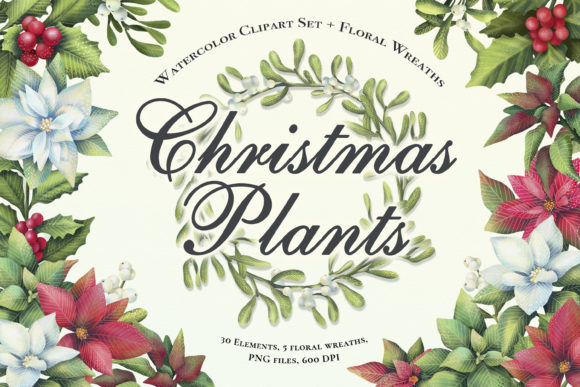
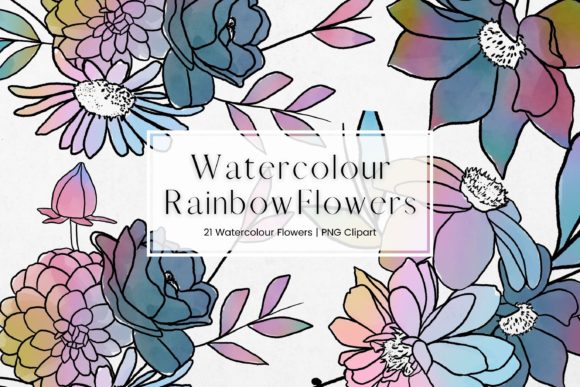
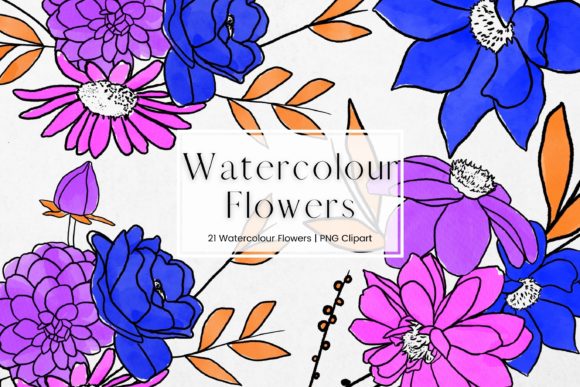
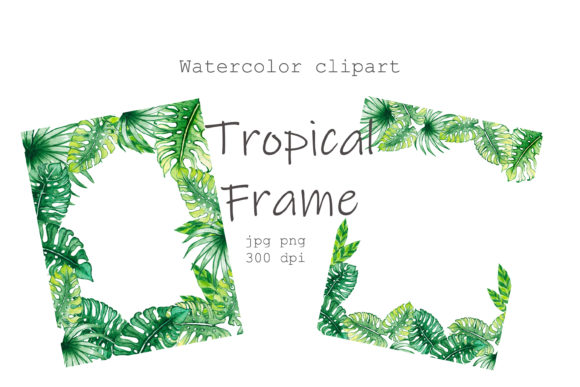
Leaf clipart, whether in the form of isolated leaves, watercolor illustrations, or hand-drawn sketches, can significantly enhance your design projects. They bring a touch of natural elegance and can be used to create a cohesive and engaging visual narrative. Whether you're designing a brand identity, a social media campaign, or an editorial layout, leaf clipart can help you achieve a polished and professional look.
Branding and Logo Design
In branding and logo design, leaf clipart can symbolize growth, renewal, and sustainability. For instance, using a stylized leaf as part of a logo can communicate a brand's commitment to environmental values. The key is to choose a style that aligns with your brand's personality and message. A minimalist, vector-based leaf might suit a modern, tech-driven brand, while a more detailed, hand-drawn leaf could be perfect for a rustic, artisanal brand.
Marketing Materials and Social Media Content
When it comes to marketing materials and social media content, leaf clipart can add a fresh and inviting feel. Use them to create eye-catching graphics, infographics, or even as decorative elements in newsletters and brochures. The natural, organic shapes of leaves can make your content more relatable and appealing to a wide audience. Additionally, incorporating seasonal foliage, such as autumn leaves or spring blooms, can help your content stay relevant and timely.
Website and UI Design
In web and UI design, leaf clipart can be used to create a welcoming and user-friendly interface. For example, a subtle leaf pattern in the background can add a touch of nature without overwhelming the user. Alternatively, using leaf icons for navigation or as part of a call-to-action button can make your site more intuitive and engaging. The key is to ensure that the clipart complements the overall design and enhances the user experience.
Editorial Layouts and Packaging Design
For editorial layouts, leaf clipart can serve as a unifying element, tying together various sections of a magazine, book, or report. They can also be used creatively in headers, footers, and sidebars to add visual interest and guide the reader's eye. In packaging design, leaf clipart can be a powerful tool for creating a natural and eco-friendly aesthetic. Whether it's a simple leaf motif on a label or a more elaborate botanical illustration, these elements can help your product stand out and resonate with environmentally conscious consumers.
Tips for Selecting and Using Leaf Clipart
- Consistency: Choose a consistent style and color palette to maintain a cohesive look across all your designs.
- Readability: Ensure that the clipart does not overshadow the text or other important elements. Balance is key.
- Scalability: Opt for high-quality, vector-based clipart that can be resized without losing clarity.
- Visual Hierarchy: Use leaf clipart to guide the viewer's attention and create a clear visual hierarchy.
- Audience Expectations: Consider your target audience and the context in which the clipart will be used. Tailor your choices to meet their expectations and preferences.
By thoughtfully integrating leaf clipart into your designs, you can create a more engaging, visually appealing, and meaningful experience for your audience. Whether you're working on a new brand identity, a social media campaign, or a website redesign, these natural elements can elevate your work and help you connect with your audience on a deeper level.